
which fertilizer is best for flowering plants
Discover the best fertilizers for flowering plants to achieve vibrant, long-lasting blooms. Learn about organic vs. synthetic options and how to choose the right nutrients for a thriving garden.
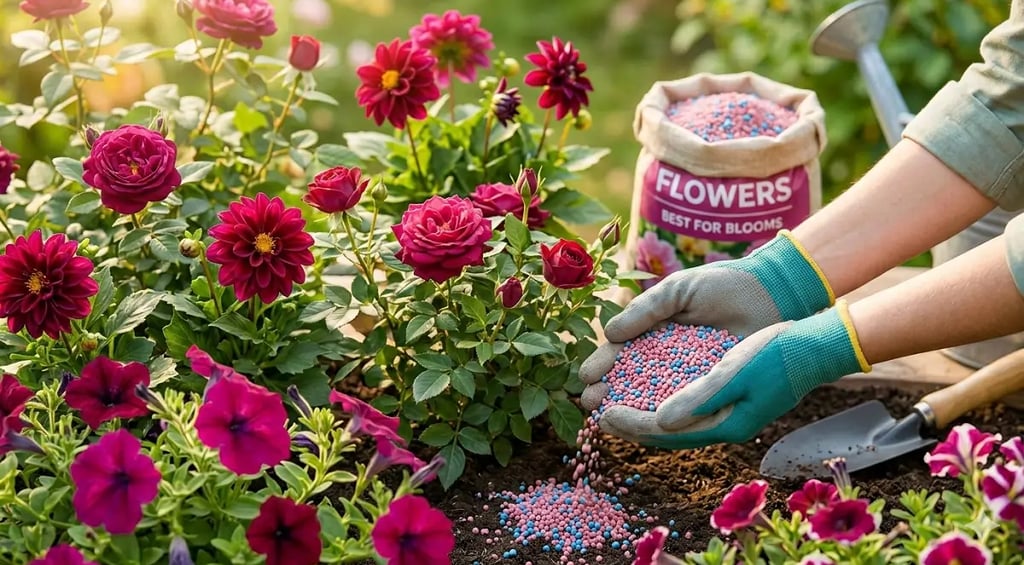
No single fertilizer is universally "best" for flowering plants, as it depends on soil type, plant variety, and growing conditions. Optimal choices emphasize high phosphorus (P) and potassium (K) in the NPK ratio to promote blooms, with lower nitrogen (N) to avoid excess foliage.
What is Ideal NPK Ratios
Flowering stages benefit from ratios like 10-30-20, 10-52-10, 5-15-30, or 2-8-4, where phosphorus supports flower formation and potassium enhances color and health.
Top Recommended Fertilizers
Bone meal (organic): Slow-release phosphorus source; ideal for roots and blooms in Indian gardens; apply 15-50g per plant every 2-3 weeks.
Miracle-Gro Bloom Booster (10-52-10): Water-soluble for quick results; mix 1 tbsp per gallon, feed every 7-14 days.
FoxFarm Tiger Bloom (2-8-4): Liquid concentrate boosts vibrant flowers; suitable for pots or beds.
Seaweed extract liquids: Versatile organic option for all flowering plants; promotes roots and stress resistance.
Application Tips
Test soil pH (aim for 6.0-7.0) and nutrients first to avoid over-fertilizing, which can burn roots. In Delhi/Noida climates, use during active growth (post-monsoon to winter); combine with vermicompost for balanced nutrition. Start with half-strength doses for potted plants.
Common mistakes when fertilizing flowering plants
Common mistakes when fertilizing flowering plants include over-application and poor timing, which can harm roots and reduce blooms.
Over-Fertilizing
Applying too much fertilizer burns roots, causes excessive leafy growth over flowers, and leads to nutrient imbalances like salt buildup. Start with half the recommended dose and dilute liquids properly.
Wrong Timing
Fertilizing during dormancy or extreme heat stresses plants; for flowering types, focus on bloom stages (e.g., spring-summer in Delhi). Avoid late-season feeds that promote weak growth vulnerable to frost.
Skipping Soil Tests
Guessing needs without testing pH or nutrients (ideal 6.0-7.0 for flowers) wastes product and causes deficiencies. Test soil annually, especially in Noida’s variable conditions.
Poor Application
Placing granules too close to stems burns tissue; not watering in prevents nutrient absorption. Spread evenly around the drip line and water deeply after.
Imbalanced NPK
Using high-nitrogen formulas on bloomers favors leaves, not flowers—opt for phosphorus-rich like 10-30-20 instead. Match to flowering needs from prior bone meal advice.
Signs your flowering plants need fertilizer now
Flowering plants show clear visual cues when they're nutrient-deficient and ready for fertilizer, especially during active growth phases. Look for these signs now in late February, as Delhi's winter ends and spring buds emerge.
Stunted or Slow Growth
Smaller-than-normal leaves, weak stems that snap easily, or overall leggy appearance signal low potassium or general nutrient lack. New growth stays tiny compared to healthy seasons.
Yellowing or Pale Leaves
Fading green color, often with visible veins, points to nitrogen shortage; purplish tinges indicate phosphorus needs for upcoming blooms.
Fewer or Weak Blooms
Sudden drop in flower production or buds that fail to open means phosphorus deficiency—common if last feed was months ago.
Wilting and Soil Clues
Drooping despite watering, plus crusty or depleted-looking soil, suggests urgent feeding; check roots for weakness too.